
OPD & IPD Management for Indian Hospitals: Token Queues, Bed Allocation & Discharge
Complete OPD and IPD operations guide for Indian clinics and hospitals — token queue systems, emergency triage, IPD admission, bed occupancy from admission status, printed forms tracking and discharge summaries.
 Anil KumarHealthcare IT Consultant1 May 20268 min read
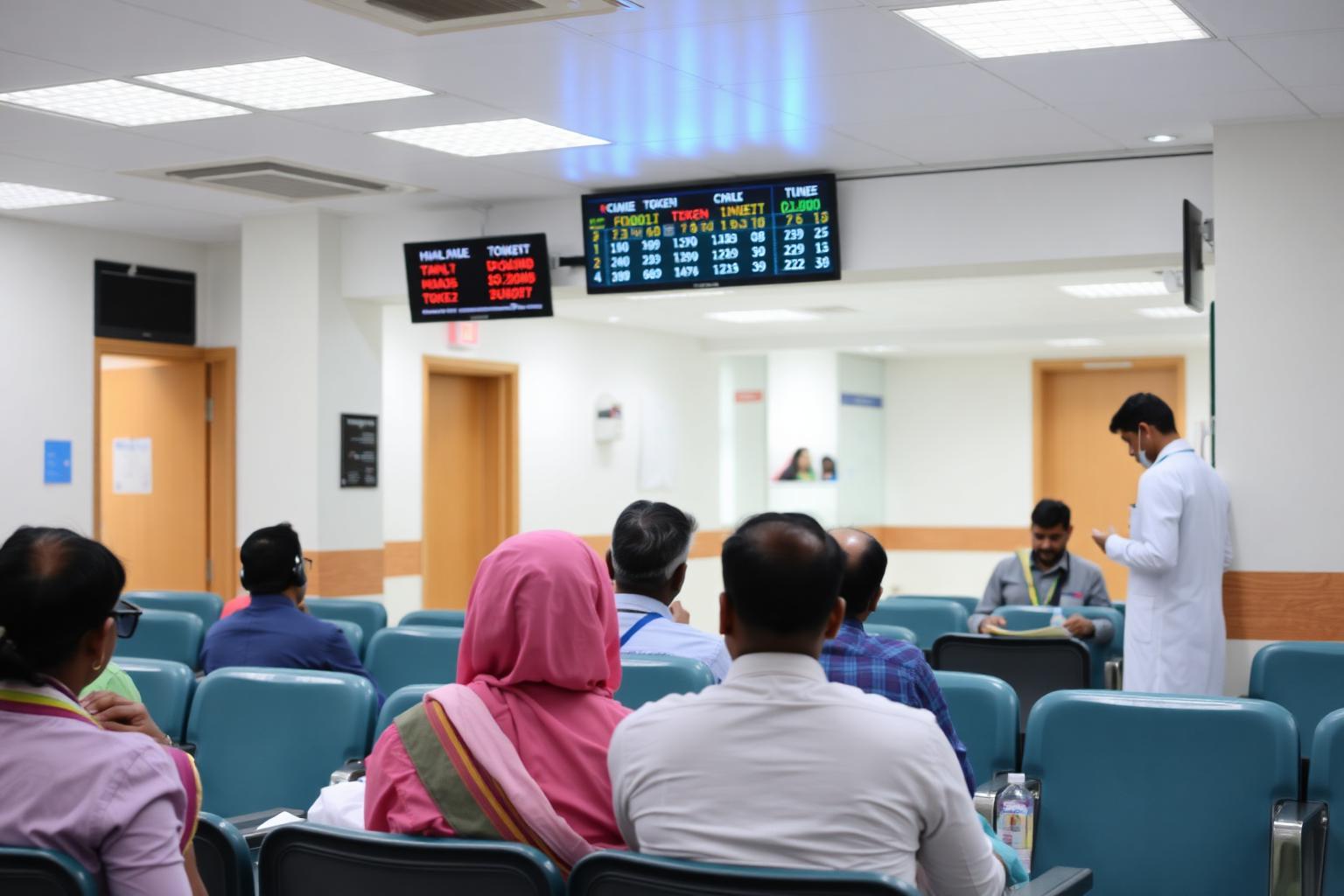
The OPD waiting room is where most Indian patients form their first opinion of your hospital. A long, chaotic queue erases years of medical excellence in 15 minutes. The IPD ward is where they form their lasting opinion — slow bed allocation and unclear discharge can destroy referrals. Here is how modern Indian hospitals digitise both.
1. OPD token queues that actually work
A digital token system should generate a sequential token at registration with a clear prefix per doctor; show the current and upcoming tokens on a TV screen in the waiting area; announce tokens by voice in the local language; force the TV display into landscape orientation and full viewport; and have a silent Web Audio fallback for browsers that block autoplay.
2. Emergency triage with EM- prefix
Emergency cases must jump the queue without breaking the running counter for regular OPD. Use a separate EM- token prefix for emergency walk-ins, display them in red with an “Emergency” badge on the TV, and notify the doctor’s console immediately rather than via the normal queue.
3. IPD admissions and bed management
Bed occupancy should never be a separate spreadsheet. It should be derived directly from the admission status of every IPD patient: when a patient is marked admitted the bed is automatically occupied; when marked discharged the bed is automatically released. The bed map is just a live read of these flags — no manual sync. This single rule eliminates the most common bug in Indian hospital software: ghost beds that look free on the screen but are actually occupied.
4. Printed forms tracking
Indian IPD wards still rely on physical forms — admission consent, surgical consent, anaesthesia notes. A practical system tracks which forms have been printed for each patient using a small badge on the patient card, stored in localStorage so the receptionist can see at a glance what is missing.
5. Locking financial edits after discharge
Once a patient is discharged, the IPD bill should be frozen. Allowing edits after discharge causes endless reconciliation problems with insurance TPAs. Lock the bill, force any corrections through a credit note, and keep a clear audit log.
6. Discharge summary as the final touchpoint
The discharge summary is the document the family will read most carefully. It should include admission date, discharge date and length of stay; diagnosis, treatment given and procedures performed; medications at discharge with clear dosage and duration; follow-up instructions and emergency contact; and the doctor’s digital signature with an emerald Verified badge.
7. Where Appointments stops and the IPD hub starts
The Appointments module is for logistics — booking the OPD slot, recording the visit reason, sending the reminder. The IPD module is for clinical management — admission notes, daily progress, bed transfers, billing. Mixing the two creates confusing dashboards. Keep them strictly separated.
Conclusion
OPD and IPD are two completely different beasts, but both reward the same discipline: derive state from a single source of truth, separate logistics from clinical work, and never trust a number that was typed twice.
Image gallery
Tap any image to preview at full size.
Run your clinic with SmartClinic India
All-in-one clinic management software with OPD, IPD, pharmacy, billing & WhatsApp automation. Free 7-day trial.
Start Free TrialRelated articles
Healthcare IT Consultant
The Smart Clinic India editorial team writes about clinic management, GST billing, pharmacy, and digital healthcare best practices for Indian clinics and hospitals.